Stylish interiors do not need every wall to compete for attention. A well-planned WPC wall panel can add texture, depth, and a clear focal point while keeping the room balanced. The strongest designs begin with purpose: profile shape, surface finish, lighting, layout, and wall condition all influence the final result.
The cross-section of a WPC wall panel changes how light and shadow move across the surface. Deep grooves create stronger contrast, fine corrugations produce a quieter rhythm, and rounded profiles create softer transitions.
CREATEKING’s 180×21mm Semicircle WPC Wall Panel,model GS180-5Y, uses five continuous semicircular forms across a 180 mm-wide profile. The panel is 21 mm thick and available in 2.8 m, 3 m, or customized lengths. Its listed composition includes PVC resin powder, calcium carbonate, and additives, with a PVC film-coated surface.
This rounded profile suits bedrooms, lounges, and reception spaces where the wall needs depth without sharp visual lines. Behind a bed, the curved surface creates gradual shadows that feel softer than narrow rectangular flutes.
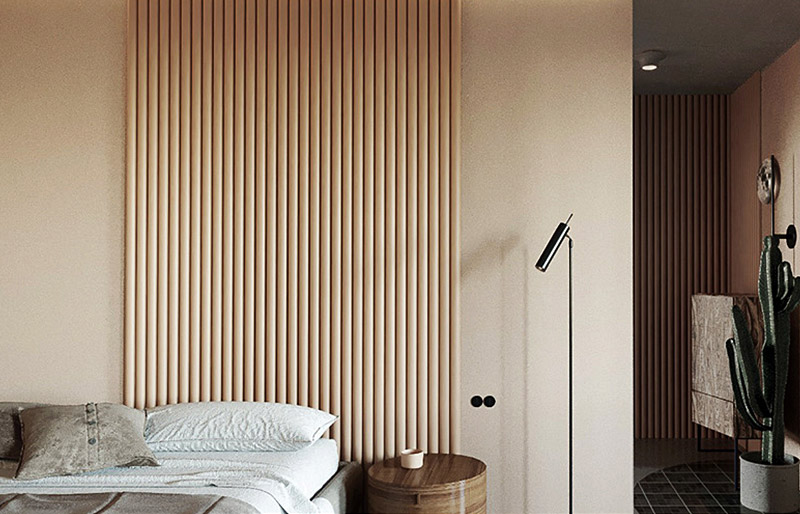
Image 1: CREATEKING Semicircle WPC Wall Panel for Bedroom Interiors
WPC panels often look more refined when concentrated on one important wall rather than repeated around the entire room. The wall behind a bed, sofa, TV, dining table, or reception desk already has visual importance, so adding WPC panels there strengthens the focal point.
In a bedroom, panels can extend slightly beyond the bed and nightstands. In a living room, they can frame the television. In a dining area, they can align with the table or sideboard. The stopping point should follow a clear furniture or architectural line so the installation feels intentional.
Where the design needs a lighter, more regular pattern, a hollow corrugated profile can work better than a deeper curved panel.
CREATEKING’s 137×9mm WPC Hollow Corrugated Wall Panels, model GS137-13B, use a multi-cavity hollow structure. The panels are 137 mm wide and 9 mm thick, with standard lengths of 2.8 m or 3 m. Their listed composition includes PVC resin powder, calcium carbonate, and additives, with a PVC film-coated surface.
The slim corrugated profile creates repeated vertical lines without the same depth as a semicircular panel. This makes it suitable for living rooms, entrances, corridors, and work areas where the wall needs structure but should remain visually controlled.
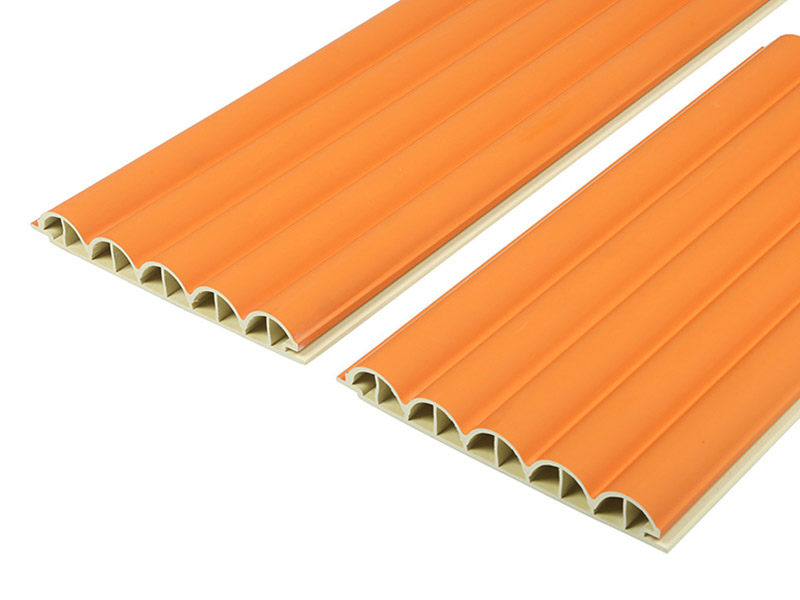
Image 2: CREATEKING Hollow Corrugated WPC Wall Panel
The surface finish should support the room rather than compete with it. CREATEKING offers decorative options including wood grain, marble, fabric, leather, skin-effect, and diatom-mud finishes across its WPC wall-panel range.
Wood grain works naturally in warm contemporary interiors, but it does not need to match the floor exactly. A slightly darker wall can add depth above a pale floor, while a lighter panel can soften dark cabinetry. Fabric or skin-effect finishes suit bedrooms and studies where the design needs less visible grain. Marble-style surfaces work best when the surrounding furniture and flooring remain simple.
| Interior Style | Panel Direction | Suitable Area | Visual Result |
|---|---|---|---|
| Warm contemporary | Wood grain + curved profile | Bedroom, lounge | Softer layered warmth |
| Minimalist | Fine vertical grooves | Living room, corridor | Clean rhythm and height |
| Modern luxury | Marble or dark finish | TV wall, reception | Strong focal surface |
| Soft neutral | Fabric or skin-effect finish | Bedroom, study | Lower visual contrast |
| Architectural zoning | Wall-to-ceiling transition | Dining, reception | Defines space without partitions |
Physical samples should be reviewed beside the actual floor, doors, cabinetry, and lighting because gloss and texture can change the final appearance.
Three-dimensional WPC panels respond strongly to directional light. Rounded profiles work well with soft side lighting because curved surfaces create gradual shadows, while fine corrugated panels can take stronger directional light.
A wall washer can emphasize height, while concealed edge lighting can make the wall appear deeper. Strong wood grain usually needs only simple lighting because the surface already provides visual interest. Lighting should be planned before installation so fittings and wiring can be integrated cleanly.
Selected CREATEKING WPC profiles can be used on both walls and ceilings. This allows a feature wall to continue onto part of the ceiling and define a specific zone without a physical partition.
Panels can rise behind a dining table or reception counter and continue overhead. Full ceiling coverage is rarely necessary; a controlled extension usually looks cleaner. Panel direction, lighting positions, substrate condition, and edge termination should be planned before installation.
WPC wall panels work best beside quieter surfaces. Painted walls, plain cabinetry, glass, stone-look flooring, and simple upholstered furniture allow the panel texture to remain visible without visual competition.
A useful rule is to let the WPC panel provide either the dominant texture or the dominant color. A deep semicircular profile can use a restrained beige or light wood tone, while a rich walnut finish can be applied to a simpler profile.
Combining heavily textured panels, strong marble flooring, patterned ceilings, and elaborate furniture in the same area can make the room feel crowded rather than stylish.
Good wall decor depends on alignment. A feature wall that ends with a narrow cut panel beside a door or leaves unequal margins around a television can look poorly planned even when the material itself is attractive.
Measure the full wall, identify the visual center, and calculate panel distribution before fixing the first piece. Around a bed or TV, balancing cut panels on both sides usually creates a cleaner result than starting with a complete panel at one edge.
Wall flatness should also be checked. CREATEKING’s installation guidance for its semicircular profile states that smooth walls can be measured, cut, fixed with structural adhesive, and secured with metal clips. Uneven walls should first be leveled with a suitable base such as OSB board or wooden supports.
Sockets, switches, TV brackets, and other wall-mounted components should be included in the layout so they fit logically within the groove pattern.
Stylish decor should remain practical after installation. Curved and corrugated profiles collect dust differently, and very dark surfaces can make light-colored dust more visible than medium wood or neutral finishes.
CREATEKING describes its semicircular WPC profile as moisture-resistant and easy to clean. Routine cleaning should still be gentle, while scratches, stains, and excessive heat should be avoided. For hotels, apartments, offices, and reception areas, long-term appearance matters as much as the initial design.
Yes. Curved and wood-grain profiles work well behind beds because they add texture without requiring additional wall decoration. Softer profiles and restrained colors usually suit bedrooms best.
Yes, for suitable models. Selected CREATEKING WPC panels are designed for both wall and ceiling applications. Ceiling installation should consider substrate condition, joints, lighting, and fixing requirements.
Not exactly. Coordination is more important than an identical match. A slight difference in tone often creates better separation while keeping the overall palette consistent.
Yes. Hollow profiles can create decorative texture while reducing profile weight. The correct choice depends on panel dimensions, wall condition, and the visual effect required.
Fine vertical grooves create a cleaner linear appearance, while semicircular profiles create a softer and more sculptural effect. The better option depends on the room and intended style.
Yes. Directional or concealed lighting can emphasize grooves, curves, and shadows. Lighting positions should ideally be planned before installation.
Stylish WPC wall decor is not about covering as much surface as possible. It is about selecting the right profile, finish, placement, and lighting for the room.
Semicircular panels can soften bedrooms and lounges, while thinner corrugated profiles can add controlled rhythm to living rooms, entrances, and corridors. Wood grain can create warmth, neutral finishes can keep a room calm, and selective wall-to-ceiling transitions can define zones without partitions.
CREATEKING offers WPC wall panels in different structures, dimensions, and decorative finishes for wall and ceiling applications.
For the strongest result, decide what the wall needs to achieve first. Then choose the profile, finish, layout, and lighting around that goal. Plan joints, sockets, switches, and installation conditions before work begins, and compare physical samples with the actual flooring and furniture palette.
When these decisions work together, WPC wall panels become more than decorative cladding. They create texture, proportion, and visual order while helping the interior feel deliberately designed rather than simply decorated.