You’ve seen it—floors or panels that look like wood, but feel a little different. No knots, no splinters, no warping over time. It looks familiar, yet not quite. So what do you call it? This “fake wood” actually goes by a few names—each revealing a bit more about what it really is.
What is fake plastic wood called?
Most people call it Wood-Plastic Composite, or WPC—a kind of engineered wood with a plastic backbone.
But it goes by a few other names too: composite wood, synthetic timber, plastic lumber. Different labels, same idea—wood’s look, with a little extra resilience built in.
What are the characteristics of fake plastic wood?
1. Features and Advantages
Environmental Friendliness and Resource Recycling
One of WPC's quiet strengths is where it comes from. Made from recycled plastics and leftover wood fibres, it turns waste into something useful again. It can even be recycled multiple times with minimal loss—saving trees and reducing carbon emissions, almost without you noticing.
Excellent Physical and Mechanical Properties
WPC has a way of feeling quietly solid underfoot. It doesn’t flex where it shouldn’t, and it holds fast when secured. Strong like hardwood but a little more forgiving, it balances toughness and stability—so the surface remains reliable even as the surrounding area changes.
Durability and Environmental Adaptability
WPC is made to handle the kind of environments that usually wear materials down. Moisture doesn’t seep in, insects don’t find a home, and the shape stays steady through heat or cold. It simply holds its ground, quietly resisting the things that would trouble ordinary wood.
Ease of Processing and Use
WPC wins on pure practicality. You can cut, drill, plane, and glue it like real timber—no special tools, no fuss. It takes paint and laminates easily, even mimicking natural grain out of the box. Best part? Install it once and forget it—years of maintenance-free calm.
Safety and Health Characteristics
This is where WPC quietly outperforms expectations. No formaldehyde, no benzene, no heavy metals—just clean, E0-grade peace of mind. It doesn’t just sit there looking good; it behaves, too, with solid flame-retardant performance. Safe, steady, and built for the long run.
2. Limitations
Not heat-resistant
Here’s the trade-off, quietly tucked beneath the surface. Fake plastic wood doesn’t love heat. Push it past 70°C for too long, and it starts to soften, losing that crisp, solid feel. It’s reliable in everyday settings—but in high-heat zones, it asks for a bit of respect.
Laser cutting is not possible
Not all tricks are allowed. WPC can bend, plane, and drill—but laser cutting? That’s off the menu. Its composition resists the beam, reminding you that even the most versatile materials have their “don’t try this at home” moments.
Lacks the natural texture of wood
WPC wears its limits on the surface. It mimics wood but can’t capture that authentic grain feel, and its exterior shows wear more easily—scratches sneak in where real timber would age gracefully. Beauty with a soft edge.
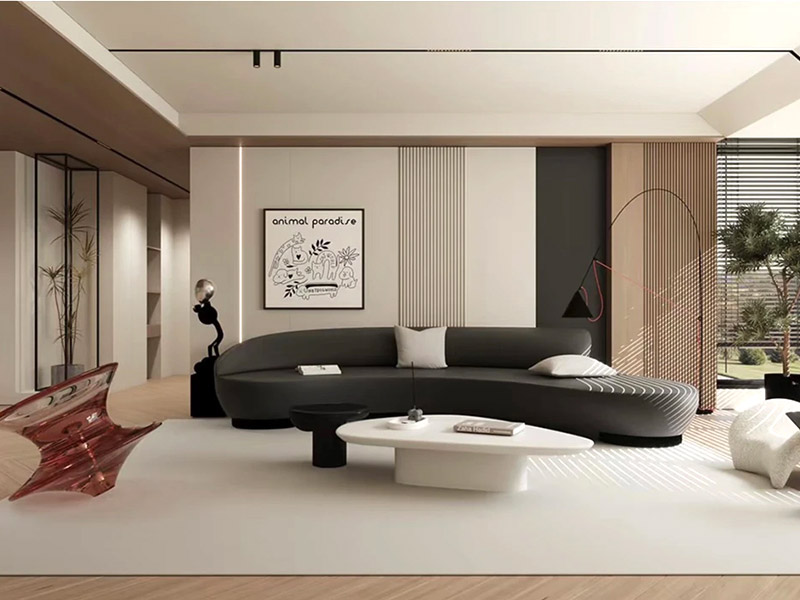
Various applications of fake plastic wood?
1. Construction Industry
In construction, fake plastic wood is the quiet multitasker. From indoor floors to outdoor decks, wall panels to door frames, stair railings to concrete formwork—it adapts seamlessly. Even decorative mouldings and louvres get the upgrade, blending durability with design without the upkeep drama.
2. Landscape Architecture and Municipal Engineering
In parks and public spaces, fake plastic wood shines quietly. From benches and tables to flower boxes, pavilions, boardwalks, and even signage, it weathers the elements with ease—turning everyday urban and landscape fixtures into durable, low-maintenance style statements.
3. Transportation Infrastructure
In transportation, WPC plays the unsung hero. Anti-glare panels hug highways, railway sleepers bear the constant weight of trains—durable, low-maintenance, and quietly tough, turning heavy-duty infrastructure into something that just works, day after day.
4. Packaging and Logistics Industry
In the packaging and logistics industry, WPC pallets combine strength and aesthetics, ensuring cargo safety and smooth workflows—they are durable, environmentally friendly, and splash-proof, making them silent heroes in modern logistics.
5. Automotive Industry
From dashboards to seat backs, wood-plastic composites elevate automotive interiors. Sleek, tough, and low-maintenance, they bring a refined touch to everyday surfaces while standing up to the rigours of daily driving.
6. Furniture and Home Decor
From flooring to ceilings, wood-plastic materials bring furniture and interiors to life. Sleek, durable, and low-maintenance, they let wardrobes, cabinets, and partitions shine with style while standing up to everyday wear.
7. Agriculture and Shipbuilding
Wood-plastic composites thrive where water meets wear—irrigation channels, floating farms, ship decks, and interiors stay strong, corrosion-resistant, and effortlessly low-maintenance.

Real Wood vs Fake Plastic Wood
Property | Solid Wood | Fake Plastic Wood (WPC / Plastic‑Wood Composite) |
Strength & Structural Performance | Generally, higher tensile and flexural strength and load‑bearing capability; strong natural fibres resist impact. | Good mechanical properties, but typically lower stiffness and load capacity compared with solid wood; may require support under heavy loads. |
Durability & Weather Resistance | Can last decades with proper care, but it is sensitive to moisture, cracking, warping, and UV degradation. | Highly resistant to rot, decay, moisture, and many weather conditions, with longer service life and less maintenance. |
Maintenance | Requires regular maintenance (oiling, sealing); refinishing is possible if damaged. | Low maintenance; no painting/staining needed; simple cleaning sufficient; limited repairability if damaged. |
Aesthetics & Texture | Unique natural grain and warmth; often seen as more desirable. | Can mimic wood aesthetics but often lacks the natural grain and feel of real wood. |
Cost | Typically higher upfront cost; a long lifespan can make it cost‑effective over time. | Higher initial cost than basic timber in some markets; often lower long‑term maintenance cost. |
Environmental Impact | Renewable and biodegradable when sustainably sourced; stores carbon; minimal synthetic chemicals. | Often uses recycled materials, is resource efficient, but the plastic component is non‑biodegradable, and recycling is complex. |
Moisture & Stability | Prone to swelling/shrinkage with humidity changes. | Dimensionally stable with low moisture absorption; resists warping. |
Repairability | Can be sanded, refinished, and repaired. | Harder to repair; damage often requires replacement. |
How to choose the right type of fake wood material?
1. Indoor/Outdoor Use
Think like a designer: indoors, choose sleek, polished wood-plastic for style and seamless finishes. Outdoors, prioritise weatherproof, UV-resistant blends—durable, low-maintenance, and effortlessly chic, built to last in any setting.
2. Damp Environment
Damp corners and soggy skies can be a nightmare for ordinary wood, but fake plastic wood laughs in the face of moisture. For patios, decks, or steamy bathrooms, choose materials that repel water, resist warping, and stay effortlessly stylish no matter the weather.
3. Foot Traffic
High heels, running kids, or weekend BBQs—fake wood takes a beating. Therefore, choosing a sturdy, durable, and scratch-resistant material is particularly important.
4. Budget
Your dream deck shouldn't break the bank. When choosing fake wood, balance quality with cost—invest in durable, low-maintenance materials that look luxe without leaving your wallet gasping. Smart choices now save headaches later.
Why is fake wood material the most popular choice today?
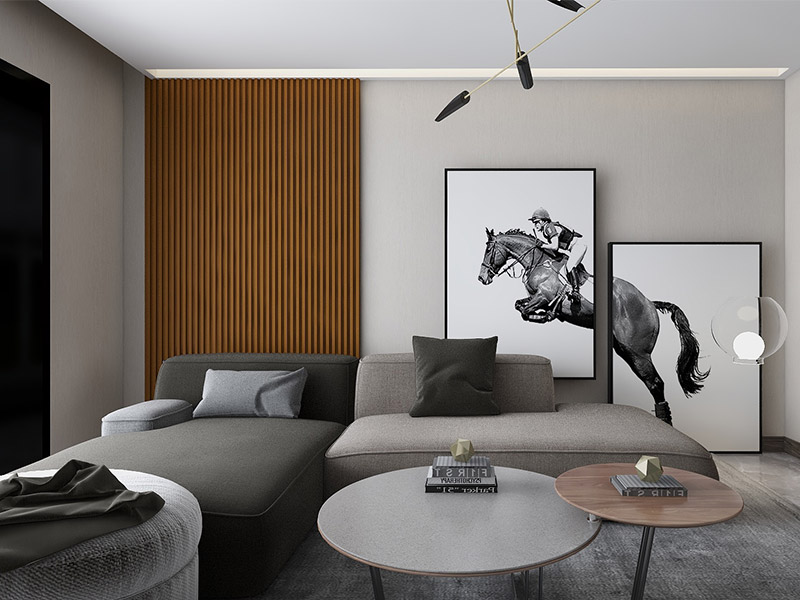
WPC isn't just popular because it lasts—it captures wood’s natural warmth while sidestepping its headaches. No warping, no cracks, just a touch that feels real. It’s not here to replace wood, just to make your life a little smarter and smoother.
Conclusion
This isn't just fake wood—it’s engineered to look good and perform even better. WPC, composite, synthetic—whatever you call it, it’s about creating a vibe that feels effortless, stylish, and totally worry-free, so your space just works.
FAQS
Q1: What is fake wood made of?
A1: Fake wood like Wood‑Plastic Composite (WPC) is an engineered blend of wood fibres and thermoplastics (think recycled plastics like PE or PVC), combined with additives to make a sturdy, wood‑look material you can use for decking, cladding, and more.
Q2: Is WPC better than real wood?
A2: Better depends on what you need: WPC won’t rot, warp, or get eaten by bugs the way traditional wood can, and it requires much less upkeep—so for busy spaces and long life, WPC often wins.
Q3: Does plastic wood look realistic?
A3: Yes! Modern composites are moulded and textured to mimic real wood grain and colour beautifully, giving that warm, natural look without the common quirks of timber.
Q4: Is composite wood waterproof?
A4: WPC is highly water‑resistant and handles moisture far better than raw wood, making it ideal for damp spots—but like any material, extreme or prolonged exposure can test its limits.
Q5: How long does WPC last?
A5: With quality materials and proper installation, WPC decks and boards can last 20–30 years or more, outliving many untreated wood options with far less maintenance.